
Cells Need Dynamics
 Learn the reasons dynamic oxygen controls matter in the article below.
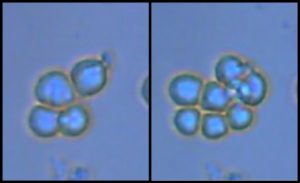
The cells in the two panels above are the same cultured K562 cells in photomicrographs taken hours apart – except that the cells aren’t really the same, are they?
Living cells just don’t stay the same over time. In fact, central to the very definition of “life” is the ability to change and grow.
Looking at the cells above from their point of view, three out of the four original cells have clearly divided, so their needs in culture have now changed. The cells, as a population, need more nutrients, more oxygen, and they need more wastes removed. In a few days, they will be subcultured to keep them growing in what would otherwise have been suboptimal conditions. We can anticipate that cells will have these needs, so we plan to subculture them.
That’s what cell culturists do – provide for the ever-changing needs of their cells and guide cells in their growth to study or optimize specific cellular functions. But what if there was a better way to do it?
Today we look at the fourth Core Cytocentric Principle: Cells Need Dynamics We will focus just on one critical cell culture parameter, oxygen.
Static oxygen control on an oxygen-controlled incubator means the cell culturist goes to the incubator and pushes buttons until the oxygen levels are set to the desired level:
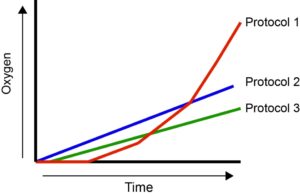 He or she stands there and watches as the incubator responds. This is static oxygen control and it works as long as somebody is there to push the buttons. However, as cells keep growing, their conditions change and they are out of optimum again. Since we know the cells will be growing, that we should be able to anticipate their changing needs in an automated way.
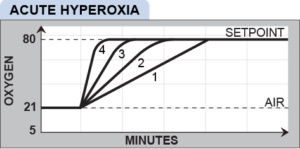
Dynamic control of oxygen allows the cell culturist to program changing oxygen levels into their incubation equipment to automatically provide for increasing oxygen needs of cells over time.
The technician doesn’t even have to be there when the oxygen settings are changed. The oxygen level changes when programmed to change- even at night, on holidays, and weekends. This makes anticipating and responding to the changing needs of cells a painless task.
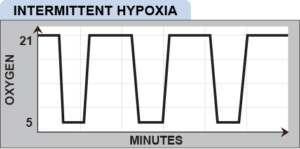 Dynamic oxygen control also allows for programmed induction of different physiologic or non-physiologic states during cell culture.
Dynamic oxygen control goes beyond static control to give the cell culturist the ability to anticipate changing cellular needs and respond to it on an automated basis.
That is the Cytocentric approach to oxygen control, looking at it from the cells’ point of view and providing for their changing needs.
Recent Articles

Cytocentric Visionaries: Dr. David Gozal, MD – Part Two
Cytocentric Visionaries: Dr. David Gozal, MD Part 2: COVID-19 Research, Prone Positioning, and Chronoadequacy Alicia Henn, PhD MBA, Chief Scientific Officer, BioSpherix David Gozal, MD, MBA, PhD (Hon) is the Marie M. and Harry L. Smith Endowed Chair and Chairperson of...

Cytocentric Visionaries: Dr. David Gozal, MD – Part One
Cytocentric Visionaries: Dr. David Gozal, MD Part 1: COVID-19, ACE2, and the Circadian Clock Alicia Henn, PhD MBA, Chief Scientific Officer, BioSpherix David Gozal, MD, MBA, PhD (Hon) is the Marie M. and Harry L. Smith Endowed Chair and Chairperson of the Department...

Cytocentric Visionaries: David Lawrence
Cytocentric Visionaries: Dr. David Lawrence, University at Albany Inflammation and Oxidative Stress: Cell Conditions Matter, Even for CAR-T Dr. David A Lawrence is Professor and Chair of Environmental Health Sciences, at the School of Public...
About The Author

Alicia D Henn, PhD, MBA
Chief Scientific Officer of BioSpherix, Ltd
Alicia Henn has been the Chief Scientific Officer of BioSpherix, Ltd since 2013. Previously, she was a researcher at the Center for Biodefense Immune Modeling in Rochester, NY. Alicia obtained her PhD in molecular pharmacology and cancer therapeutics from Roswell Park Cancer Institute in Buffalo, NY and her MBA from the Simon School at University of Rochester in Rochester, NY.
If you would like to be featured in our Cytocentric Visionary Series, contact us. We would love to hear about your work.